



人気記事
360°包括的なインテリアディテリングの究極ガイド — ディープクリーニング, 車内のキャビンを消毒し、保護しましょう
2026.02.04
シンガポールの車用ウィンドウティントガイド: ルール, 利点, そして『How to Choose the Right Film』
2026.02.04
カラーラップの完全ガイド — スタイルと保護で車の見た目を変える
2026.02.04
会社について
Colorfuulは高級自動車映画の世界的リーダーです, カラーTPU PPFを提供しています, 透明PPF, PETウィンドウフィルム, そしてビニールラッピング. 輸出は 100 国々, 私たちは一貫した品質を提供しています, 競争力のある価格設定, および専門職としての奉仕. 生産後, OEM/ODMのカスタマイズも提供しています, 自動車美学の未来を形作る.
 mary@colorfuul.com
  86 13541196952
 シンガポールの車用ウィンドウティントガイド: ルール, 利点, そして『How to Choose the Right Film』
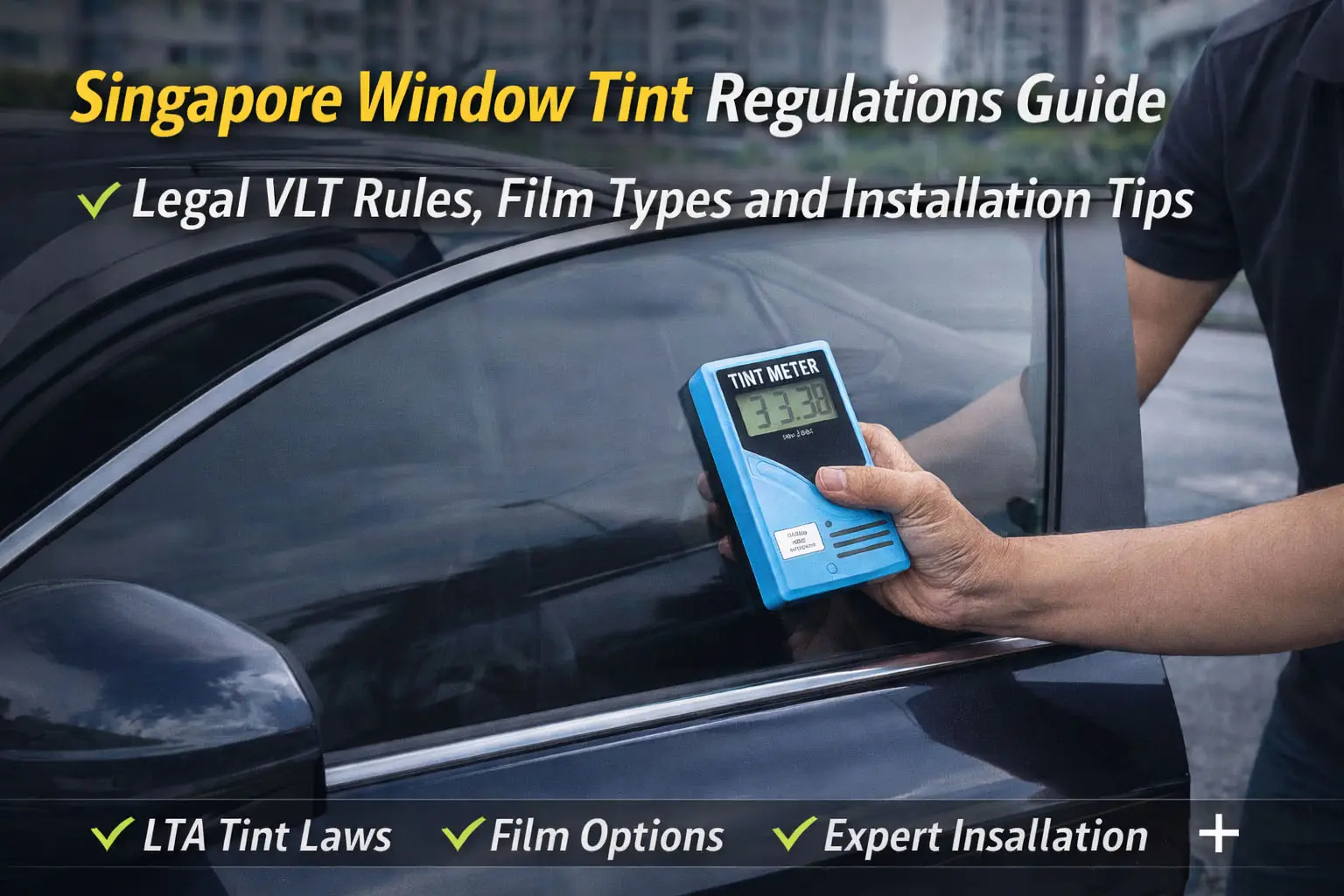
シンガポールの熱帯気候において, 窓のスモークは単なるスタイルアップ以上のものです — これは熱に対する実用的な解決策です, 紫外線ダメージとまぶしさ. しかし、ティントは単に濃い色を選ぶだけではありません: すべての車両所有者が満たすべき法的基準があり、車を安全に走行させるためには. This guide takes you through Singapore’s window tint rules, what the regulations mean for you, how different films compare, and expert tips for choosing and maintaining the right tint for your car.
The Purpose of Window Tinting
Before diving into regulations, let’s explore why car owners tint their windows:
1. Heat and UV Protection
Singapore sits near the equator, where sunlight intensity is high year-round. Window tint films can block a significant amount of infrared (熱) and ultraviolet (紫外線) 放射, helping to keep your car interior cooler and more comfortable, reducing air-conditioning load and protecting upholstery from fading.
2. グレアリダクション
Bright sunlight and reflected glare can be distracting for drivers. Quality tint films reduce glare, which can improve driving comfort and reduce eye strain, especially during midday sun or wet roads.
3. プライバシー & 安全
Tinted windows limit what others can see inside your vehicle, offering a sense of privacy and making it harder for potential thieves to identify valuables.
4. Style and Aesthetics
While practical benefits are key, many drivers also tint windows for a sleek, premium look that complements the car’s exterior design.
Singapore’s Legal Tinting Regulations
Unlike some countries with looser rules, Singapore’s Land Transport Authority (LTA) has clear standards to ensure tint films don’t compromise safety or visibility:
📊 Visible Light Transmission (VLT) ルール
可視光透過 (VLT) refers to the percentage of visible light that is allowed to pass through the window and tint combination.
According to current guidelines:
-
Front Windscreen and Front Side Windows: Must allow 少なくとも 70% VLT. This ensures drivers maintain adequate visibility and that law enforcement can see inside when necessary.
-
Rear Windscreen and Rear Side Windows: Must allow 少なくとも 25% VLT. This provides more flexibility for privacy while still keeping visibility adequate.
-
Films must be non-reflective, meaning mirror or highly reflective finishes are prohibited. Reflective films can create glare that affects other drivers.
-
ERP Compatibility: Tint on windscreen must not affect Electronic Road Pricing (ERP) signal transmission. Poor quality or overly metallic films can interfere with in-vehicle units.
Why These Rules Matter
🔍 Safety & 視界
Tint films that block too much light — particularly on front windows — can seriously impact visibility at night or in rain, increasing the risk of accidents. その 70% VLT standard ensures optimal viewing clarity for drivers.
🚔 Law Enforcement & Identification
Too-dark windows make it harder for police or emergency responders to see inside a vehicle, which can impede investigation or safety assessments during traffic stops or accidents. The regulations help maintain transparency and public safety.
📋 Compliance and Inspections
Vehicles in Singapore undergo periodic inspection, and tint compliance is checked. Non-compliant films can fail inspection or lead to fines and mandatory removal orders.
Choosing the Right Tint Film
Once you understand the rules, the next step is choosing the right film to meet your needs.
1. VLT Levels Explained
Tint films come in a range of VLT percentages:
-
70% – Very Light: Complies with front windscreen requirements, ideal if you want minimal visual darkening but UV and heat protection.
-
50–60% – Moderate Dark: Balances privacy and comfort while maintaining a bright cabin environment.
-
35–25% – 暗い: Offers more privacy and stronger heat rejection, but must be used only on rear windows in Singapore.
思い出す, the lower the VLT, the darker the film appears — but you must never go below legal minimums for each window category.
Types of Tint Films
Not all tints are created equal. Each technology has unique strengths:
🧪 1. Dyed Films
-
手頃 な 価格 and simple.
-
Block heat moderately and reduce glare.
-
しかし, they may fade faster over time compared to advanced films.
💨 2. Metalised Films
-
Incorporate metal particles to reflect heat.
-
Good heat rejection, but can interfere with signals if not properly designed (avoid metallic types that impact ERP).
🌡️ 3. Ceramic Tint Films
-
Premium performance with high heat and UV rejection.
-
Do not interfere with mobile or ERP signals.
-
More expensive but excellent durability.
🧬 4. Hybrid Films
-
Blend dyed and metalised layers.
-
Offer a compromise between cost and performance.
Installation Tips for Compliance and Quality
Proper installation matters as much as the film itself:
🛠 Professional Application
-
Always use a trained installer who knows LTA standards — accurate measurement of VLT after installation is crucial.
-
Ensure windows are cleaned thoroughly before installation to prevent bubbles and peeling.
✂️ Precision Cutting
-
Films should be custom-cut to fit window shapes precisely and avoid gaps or overlaps.
⏱️ Curing Time
-
設置後, wait at least 24–48 時間 before rolling down windows to ensure proper adhesion.
Maintenance for Longevity
Once your tint is installed, proper care helps keep it looking and performing well:
-
Use soft, non-ammonia cleaners, as strong chemicals can degrade tint adhesives.
-
研磨性のあるスポンジやブラシは避けてください that can cause scratches.
-
Regular cleaning improves visibility and prevents dirt buildup that could weaken the film.
Costs and Value Considerations
The cost of window tinting varies depending on film quality, the type of tint chosen, and the care of installation. Premium ceramic films cost more upfront but often deliver better heat rejection and longevity, making them a worthwhile investment in Singapore’s climate.
避けるべきよくある間違い
❌ Ignoring Legal Standards
Choosing films that are too dark may look appealing but can violate the law and expose you to fines or mandatory removal orders. Always check VLT compliance.
❌ Poor Installation
DIY or low-quality installation often leads to bubbles, 剥皮, or uneven VLT levels once applied. A professional installer helps ensure optimal performance and legal compliance.
総評
Window tinting in Singapore isn’t just about aesthetics — it’s about enhancing comfort, protecting your interior, and maintaining compliance with local regulations. By choosing the right film, ensuring professional installation, and caring for your tint, you get lasting benefits from reduced heat and glare, improved privacy, and a more pleasant driving experience — all while staying within legal limits


